

6 Powerful Examples of Advertorials That Drive Growth

[ SUMMARIZE WITH AI ]
[ FREE CRO TEARDOWN ]
Find the 3 biggest revenue leaks on your store.
Every day a conversion leak goes unfixed, you're paying for traffic that doesn't buy. Get a 5-minute Loom through your PDP, cart, and checkout, with mockups of the fixes. No pitch.
Get My TeardownAdvertorials helped Hint Water become a $100M business. They drove seven figures in sales for Jones Road Beauty in a single quarter. And brands like Athletic Greens have built billion-dollar valuations partly on the back of advertorial-style content that converts cold traffic into loyal customers.
If you're running paid ads and sending traffic straight to product pages, you're likely leaving money on the table. The best DTC brands have discovered that what happens between the ad click and the product page matters enormously. That's where advertorials come in, content that educates, builds trust, and pre-sells your product before visitors ever see a price tag.
This guide breaks down six proven examples of advertorials from real DTC brands, showing you exactly how they structure these pages to convert cold traffic into buyers. You'll see the specific frameworks, headlines, and strategies that work, plus how to adapt them for your own brand.
1. The Listicle Advertorial
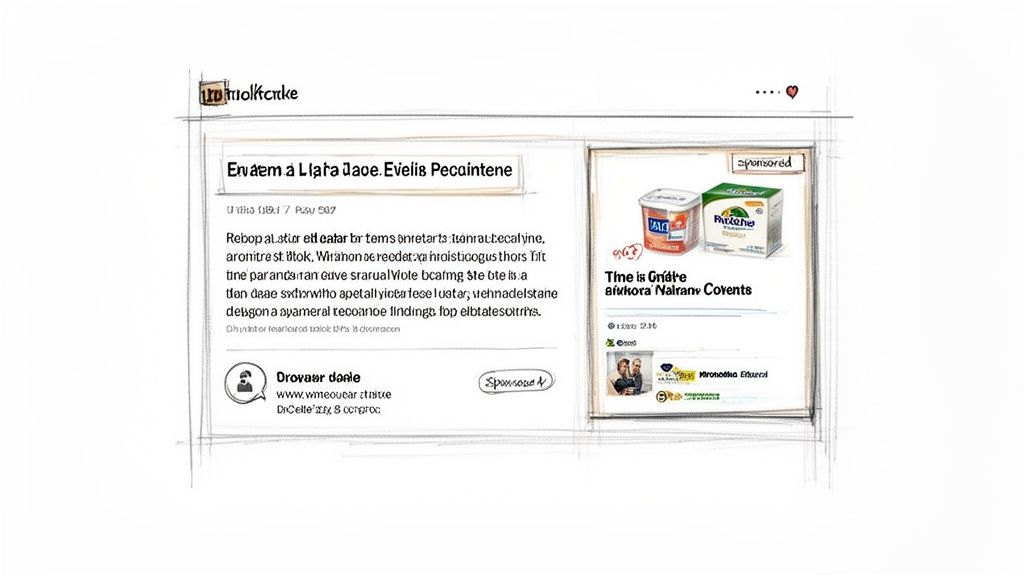
The listicle advertorial is the workhorse of DTC advertising. It's the format you'll see most often because it works incredibly well for cold traffic, particularly from platforms like Facebook, Instagram, and TikTok where users are scrolling quickly and need content that's easy to consume.
The format is simple: present your product's benefits as a numbered list (typically 5-10 reasons) in an article-style layout. But don't mistake simplicity for ineffectiveness. When done right, listicle advertorials consistently outperform traditional landing pages.
Real Example: Snow Teeth Whitening
Snow, the teeth whitening brand that's generated over $100M in revenue, uses listicle advertorials as a core part of their acquisition strategy. Their advertorial might be titled something like "7 Reasons Why Celebrities Prefer This Teeth Whitening System" and follows a proven structure:
- Hook headline: Immediately establishes credibility through celebrity association
- Scannable format: Each benefit gets its own section with a bold header
- Social proof integration: Celebrity photos and customer ratings woven throughout
- Multiple CTAs: "Shop Now" buttons appear above the fold, midway through, and at the bottom
- Objection handling: Final sections address concerns like FDA approval and money-back guarantees
The genius of Snow's approach is that the advertorial doesn't try to be subtle. It's heavily product-focused, but the listicle format makes it feel like content rather than a sales page.
Why Listicles Work for DTC
According to research from Anyword, 70% of listicle-style ad titles achieve higher click-through rates than non-listicle formats. The psychology is straightforward: numbered lists signal quick, digestible content. Readers know exactly what they're getting and can easily skim to find the benefits that matter most to them.
For DTC brands, listicles work particularly well because they allow you to address multiple objections and highlight various benefits without overwhelming the reader. A supplement brand can cover ingredients, results timeline, pricing comparison, and social proof all in one piece of content.
How to Build Your Own
Start with a headline format like "X Reasons Why [Target Audience] Are Switching to [Product]" or "X Ways [Product] Solves [Problem]." Structure each list item with a benefit-focused header and 2-3 sentences of supporting copy. Include product images and social proof elements throughout, not just at the end. Place CTAs at the top, middle, and bottom of the page.
2. The Quiz-to-Advertorial Funnel
A brand we worked with - Jones Road Beauty, founded by makeup legend Bobbi Brown, collected over 124,000 emails and generated seven figures in sales in a single quarter using a quiz-to-advertorial funnel. This approach combines the engagement of interactive content with the persuasive power of advertorial-style education.
Real Example: Jones Road Beauty's "Find My Shade" Funnel
Here's how Jones Road structures their funnel:
First, they run TikTok ads that educate and entertain, not hard-sell. The ads drive traffic to an advertorial-style landing page that introduces their "Find My Shade" quiz. The quiz asks visitors to select models with similar skin tones, then captures additional information about skin type and concerns.
After completing the quiz, visitors submit their email to receive personalized product recommendations. This accomplishes three things simultaneously: it captures leads, collects zero-party data for personalization, and moves visitors down the funnel in a way that feels helpful rather than pushy.
As Jones Road's CEO Cody Plofker explains: "If you can find a way to capture these users' information and follow up with them on a different platform when they're in a different state of mind, that's where the magic happens."
Why Quiz Funnels Work for DTC
Quizzes solve a fundamental problem for online shopping: the inability to get personalized advice. In a physical store, a customer can ask a salesperson for recommendations. A quiz replicates that experience digitally, providing personalized guidance that builds trust and confidence.
For product categories that require education, like skincare routines, supplements, and mattresses, quizzes help customers understand what they actually need before seeing product recommendations. This pre-qualification leads to higher conversion rates and lower return rates. At the heart of effective quiz funnels lies the mastery of personalized content marketing, which ensures the results and recommendations resonate deeply with each individual.
How to Build Your Own
Identify the key questions that determine product fit for your customers. For skincare, this might be skin type, concerns, and current routine. For supplements, it could be health goals, diet, and lifestyle factors. Keep quizzes to 3-5 questions maximum. Gate results behind an email capture, but make the exchange feel valuable, they're getting personalized recommendations, not just giving up their information.
3. The Editorial-Style Native Advertorial
When Allbirds wanted to reach environmentally conscious consumers, they didn't run traditional ads. They partnered with publishers like The New York Times and The Atlantic to create editorial-style content that felt like journalism but ultimately promoted their sustainable footwear.
Real Example: Allbirds' NYT Paid Post
Allbirds' New York Times paid post appeared to be a feature article about the importance of birds to our environment and the threats they face from climate change. It included facts about bird lifespans, habitats, and ecological impact, content that genuinely interested readers.
But the article eventually connected this environmental story to Allbirds' mission: creating shoes from sustainable materials that don't harm the planet. By the time readers reached the product pitch, they were already aligned with the brand's values and primed to see Allbirds as a solution rather than just another shoe company.
Similar campaigns have achieved remarkable results. The New York Times found that T Brand Studio-produced content generated 361% more unique visitors and 526% more time spent than content produced by outside agencies. Some sponsored posts performed as well as the publication's editorial content.
Why Editorial Advertorials Work for DTC
Editorial-style advertorials work because they meet readers where they are. Someone reading The Atlantic or New York Times expects thoughtful, well-researched content. When your advertorial delivers that experience while naturally introducing your product, you borrow the publication's credibility.
This approach is particularly effective for brands with strong value propositions around sustainability, innovation, or social impact. If your brand has a genuine story to tell, not just features to list, editorial advertorials can tell that story in a way that resonates deeply with aligned audiences.
How to Build Your Own
You don't need a NYT budget to use this approach. Create blog content on your own site that genuinely educates readers about topics related to your product category. A skincare brand might publish deeply researched content about ingredient science. A fitness brand could cover exercise physiology. Lead with value, and introduce your product as a natural extension of the educational content.
4. The Influencer-Personalized Advertorial
Athletic Greens (AG1) has built a $1.2 billion valuation partly through podcast advertising and influencer partnerships. But what makes their approach unique isn't just the influencer relationships, it's how they personalize the post-click experience for each influencer's audience.
Real Example: AG1's Tim Ferriss Landing Page
When listeners of The Tim Ferriss Show hear Tim recommend AG1, they're directed to a specific URL. But they don't land on AG1's generic homepage. Instead, they see a personalized landing page featuring Tim's photo, a headline like "Tim's All-in-One Daily Supplement," and the message "Recommended by Tim Ferriss" prominently displayed.
AG1 does this for their major influencer partners, Andrew Huberman, Joe Rogan, and many others each have dedicated landing pages that maintain continuity between the podcast recommendation and the website experience.
The landing page itself functions as an advertorial, educating visitors about AG1's benefits with the credibility of the influencer's endorsement woven throughout. It includes testimonials, benefit breakdowns, and a clear subscription offer.
Why Influencer-Personalized Advertorials Work
This approach maximizes the value of influencer marketing by creating a seamless experience. When someone trusts an influencer enough to click their recommendation, seeing that influencer's face and name on the landing page reinforces that trust.
It also allows brands to tailor messaging to different audiences. Tim Ferriss listeners might care more about productivity and optimization; Andrew Huberman listeners might be interested in neuroscience and research. The same product can be positioned differently for each audience.
How to Build Your Own
For any influencer partnership that's driving meaningful traffic, create a dedicated landing page that features the influencer's photo, a personalized headline, and messaging aligned with their audience's interests. Include the influencer's quote or endorsement prominently. Even for smaller partnerships, customizing the landing page experience can significantly improve conversion rates.
5. The Problem-Solution Advertorial
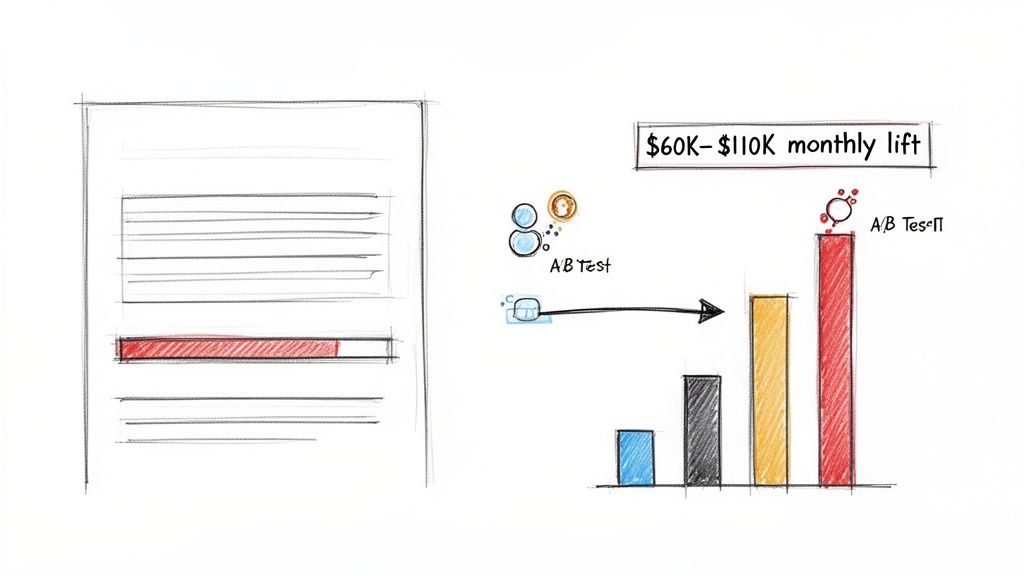
Some products require more education before customers are ready to buy. For these categories, like supplements, health products, and innovative solutions, the problem-solution advertorial framework works exceptionally well. It's structured like a long-form article that walks readers through a problem, establishes expertise, and positions your product as the solution.
Real Example: Hint Water's Article Strategy
Nik Sharma, former Director of DTC at Hint Water, helped grow the brand to $100M using advertorial-style landing pages. His approach involved partnering with publications like The Hustle to create article content that didn't immediately scream "advertisement."
The articles would explore topics like the health problems caused by sugary drinks or the challenges of staying hydrated. They'd establish the problem with data and expert opinions, then introduce Hint Water as a natural solution. Sharma found that about 15-20% of readers who engaged with the article would click through to the product page, and because they'd been educated first, they converted at higher rates.
The cost per click from Facebook to these articles dropped significantly compared to direct-to-product ads, partly because Facebook's algorithm rewards content that generates engagement like shares and comments.
Why Problem-Solution Advertorials Work
This framework succeeds because it respects the buyer's journey. Not everyone who clicks an ad is ready to buy immediately. By providing valuable information first, you capture attention and build trust with prospects who need more education before making a purchase decision.
Problem-solution advertorials also perform well algorithmically. Social platforms reward content that generates genuine engagement. An article that people actually read and share will get better distribution than a hard-sell landing page that people bounce from immediately.
How to Build Your Own
Start by identifying the core problem your product solves. Write content that thoroughly explores that problem, its causes, consequences, and why common solutions fail. Build credibility through data, expert quotes, and relatable examples. Only after establishing the problem should you introduce your product as the solution, explaining specifically how it addresses the issues you've outlined.
6. The Comparison Advertorial
For products entering competitive markets, comparison advertorials help prospects understand why your solution is different, and better, than alternatives they're already considering. This format works particularly well when you have clear advantages over established competitors.
Real Example: DTC Brand Comparison Pages
Brands like Obvi (supplements) and Earthling Co. (eco-friendly haircare) use comparison-style advertorials that directly address the question prospects are asking: "Why should I choose this over what I'm currently using?"
Obvi's advertorial opens with a headline targeting their specific audience: "Read this if you've tried everything possible to lose weight and nothing has worked." The page then uses a comparison chart showing how their product stacks up against generic alternatives, addressing specific concerns like effectiveness, ingredients, and results timeline.
These comparison advertorials work because they meet prospects where they are in the buying journey. Someone searching for weight loss solutions has likely already tried other products. By acknowledging this and explicitly comparing your solution, you shortcut the research process and position your product as the logical next choice.
Why Comparison Advertorials Work
Modern consumers research before they buy. They're going to compare your product to alternatives whether you help them or not. By creating comparison content yourself, you control the narrative and ensure your product's advantages are clearly understood.
This approach also works well for SEO. People searching for terms like "best protein powder" or "collagen supplements compared" are high-intent prospects actively looking to make a purchase decision. Comparison content can capture this traffic and direct it to your product.
How to Build Your Own
Identify your product's genuine advantages over competitors, whether that's ingredients, price, results, or customer experience. Create a comparison framework that highlights these advantages without being misleading about competitor products. Use visuals like comparison tables to make differences immediately clear. Include testimonials from customers who switched from competitors to your product.
Advertorial Format Comparison
| Advertorial Type | Best Traffic Source | Ideal Product Category | Primary Goal | Typical Length |
|---|---|---|---|---|
| Listicle | Facebook, Instagram, TikTok | Any consumer product | Quick education, drive to purchase | 500-1,000 words |
| Quiz-to-Advertorial | TikTok, Instagram | Personalized products (skincare, supplements) | Lead capture, product matching | Quiz + 300-500 word results |
| Editorial-Style | Native ads, publisher partnerships | Mission-driven brands | Brand building, trust establishment | 1,000-2,000 words |
| Influencer-Personalized | Podcast, YouTube, influencer channels | Any category with influencer fit | Convert warm referral traffic | 500-800 words |
| Problem-Solution | Facebook, Google Display | Products requiring education | Pre-sell complex solutions | 1,500-2,500 words |
| Comparison | Google Search, retargeting | Competitive markets | Differentiate from alternatives | 800-1,500 words |
Matching Advertorial Format to Traffic Temperature
Not all traffic is created equal, and the advertorial format that works for cold Facebook traffic won't necessarily work for warm retargeting audiences. Understanding traffic temperature helps you choose the right format for each audience.
Cold traffic (never heard of your brand): Use problem-solution or editorial-style advertorials. These audiences need more education and trust-building before they're ready to consider a purchase. Longer-form content that establishes credibility works best.
Warm traffic (engaged but haven't purchased): Listicle advertorials work well here. These prospects already know your brand exists; they just need reasons to buy. Quick, scannable content that reinforces benefits and addresses objections can push them to convert.
Hot traffic (referrals, influencer audiences): Influencer-personalized advertorials maximize conversion. These audiences already trust the source that recommended you. Maintain that trust continuity and make the path to purchase as smooth as possible.
Key Elements Every Advertorial Needs
Regardless of format, effective advertorials share certain elements:
A headline that captures attention without screaming "advertisement." Compare "The Secret Dermatologists Don't Want You to Know" (too salesy) with "Why 50,000 Women Switched Their Skincare Routine This Year" (curiosity-driven, social proof).
Value before pitch. The best advertorials spend 70-80% of their content educating, entertaining, or solving problems. The product introduction comes after you've earned the reader's attention and trust.
Social proof throughout. Don't save testimonials for the end. Weave customer reviews, expert endorsements, and usage statistics throughout the content to continuously reinforce credibility.
Multiple CTAs. Give readers opportunities to convert at the top, middle, and bottom of the page. Some will be ready to buy quickly; others will need to consume more content first.
Visual continuity with your ads. If your ad features certain imagery, colors, or messaging, your advertorial should feel like a natural continuation. Jarring transitions between ad and landing page kill conversion rates.
Ready to build one? We broke each format down into a section-by-section skeleton in our advertorial templates post: headline formulas, CTA placement, and the landing page structure around it.
From Advertorial Click to Personalized Experience
The most sophisticated DTC brands don't stop at the advertorial. They understand that what happens after the advertorial, on the product page and throughout the site, matters just as much.
Consider what AG1 does: not only do they personalize the advertorial landing page for each influencer's audience, but they also use that context to inform the entire customer journey. Someone coming from Tim Ferriss sees different messaging than someone coming from a fitness influencer.
This principle, matching the on-site experience to where the customer came from, applies whether you're using advertorials or any other acquisition channel. The promise made in your ad should be reinforced on your landing page, product page, and checkout experience.
Advertorials work because they respect the buyer's journey. Instead of asking cold traffic to make an immediate purchase decision, they provide the education and trust-building that moves prospects toward conversion. The brands seeing the best results, Hint Water, Jones Road, Athletic Greens, Snow, all understand this fundamental principle.
But advertorials are just the first step. The most effective growth strategies ensure that the post-click experience matches what brought the visitor to your site in the first place. Different audiences need different experiences, and the brands that personalize those
Frequently Asked Questions
What type of advertorial works best for cold traffic?
Educational, problem-solution advertorials work best for cold audiences. Lead with the problem your audience recognizes, provide genuine value in the content (70-80% education), then naturally introduce your product as the solution. Listicle formats also perform well with higher click-through rates.
How long should an advertorial be?
Long enough to build trust before the pitch. Most high-performing advertorials run 800-1,500 words. The key is that 70-80% of the content delivers genuine educational value with no sales pitch. Shorter formats work for warm audiences, while cold traffic needs more trust-building content.
How do I measure if my advertorial is working?
Track the full funnel: click-through rate from the ad, time on page and scroll depth on the advertorial, and conversion rate on the landing page it drives to. Compare that last number against current ecommerce conversion rate benchmarks so you know whether the ad or the landing page is the weak link. A high-performing advertorial keeps readers engaged through the content and warms them up enough to convert on the next page.
Can advertorials work for Shopify brands specifically?
Yes. DTC brands like Snow Teeth Whitening, Jones Road Beauty, AG1, and Hint Water have all used advertorial funnels to scale profitably. The format bridges the gap between social ad creative and product pages, particularly for products requiring education or trust-building before purchase.
We work on tactics like these daily, book a call to get 3 custom (tailored for your business), researched personalization ideas to get you started.